








BLADE RUNNER 2049
Film
THE BRIEF
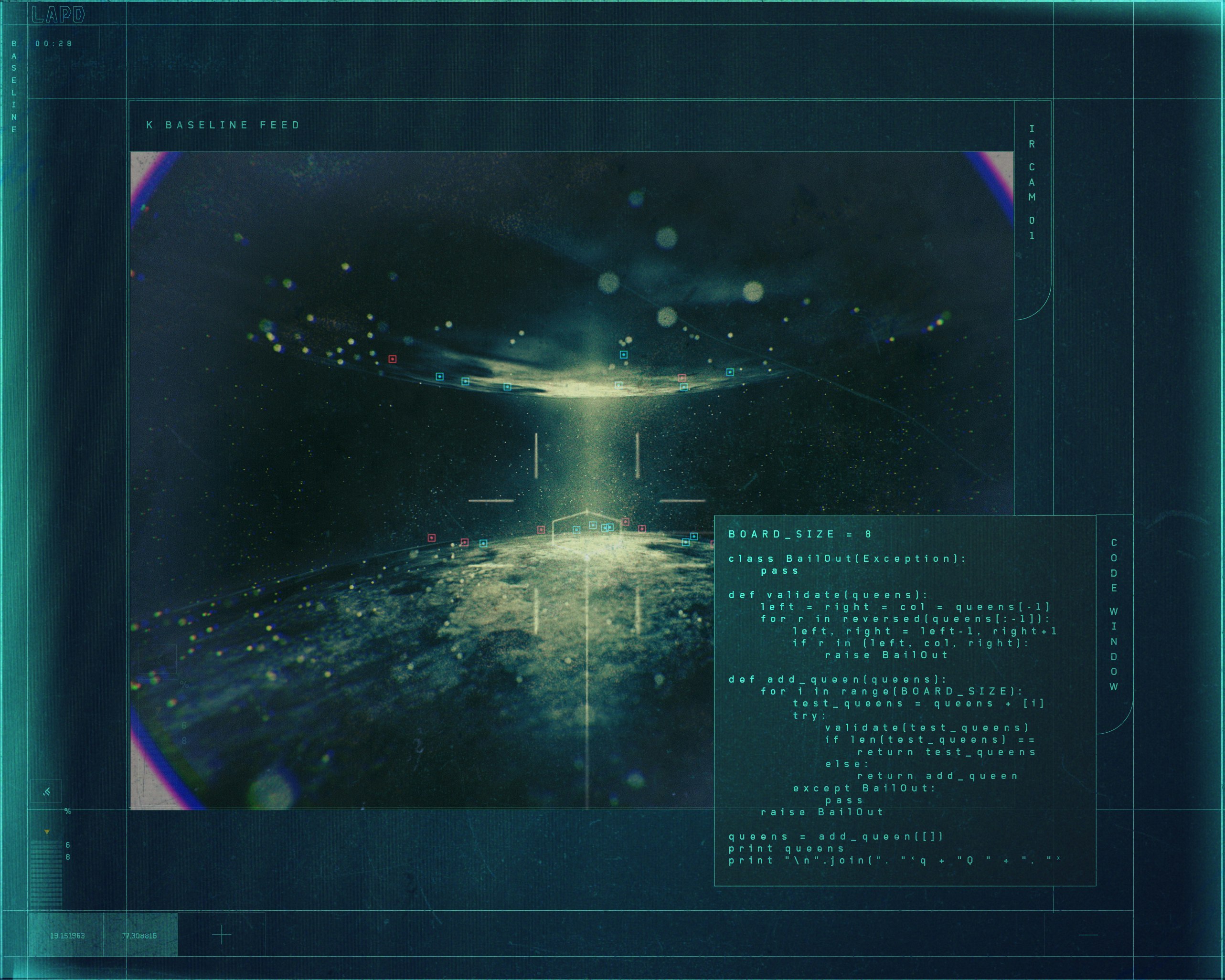
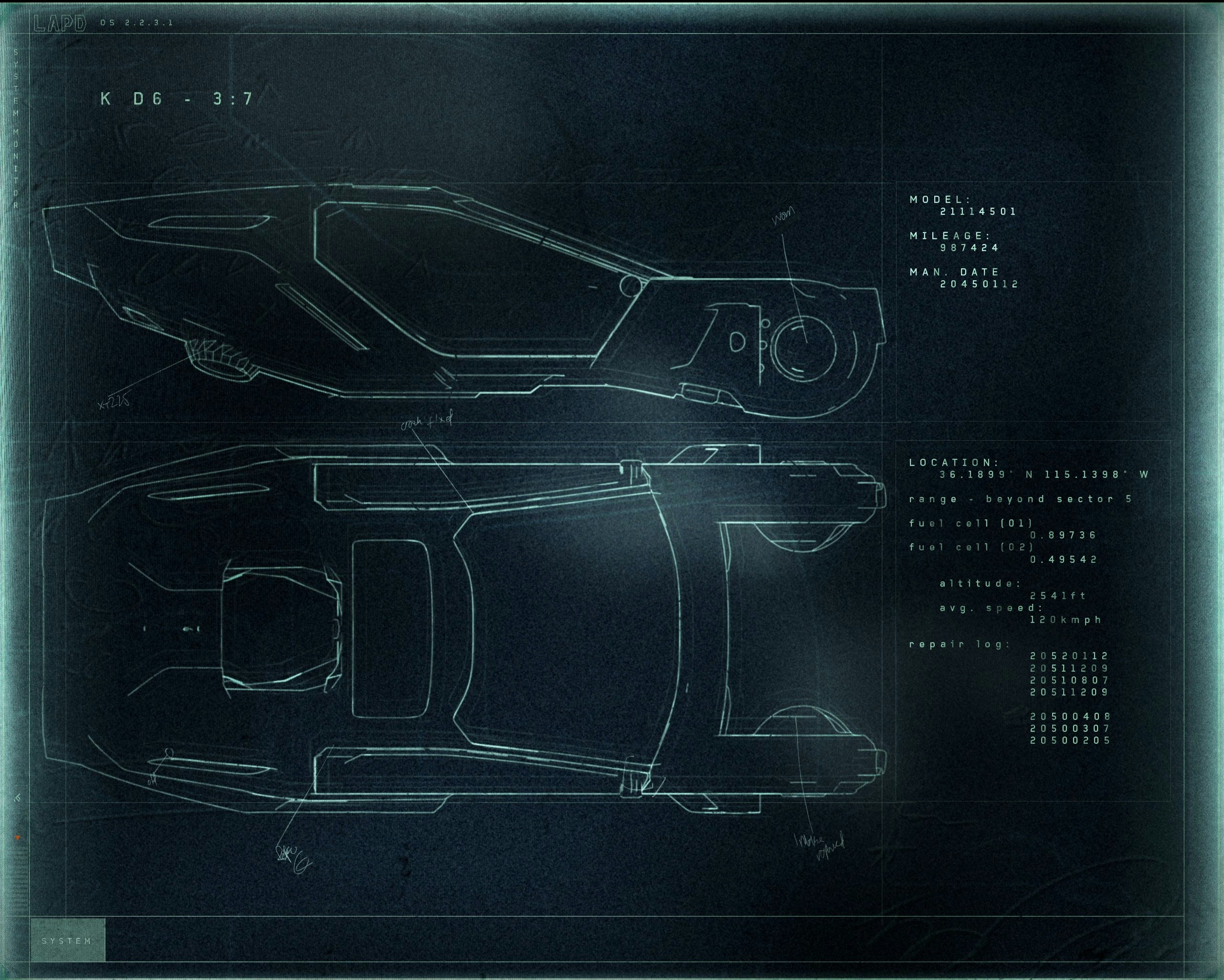
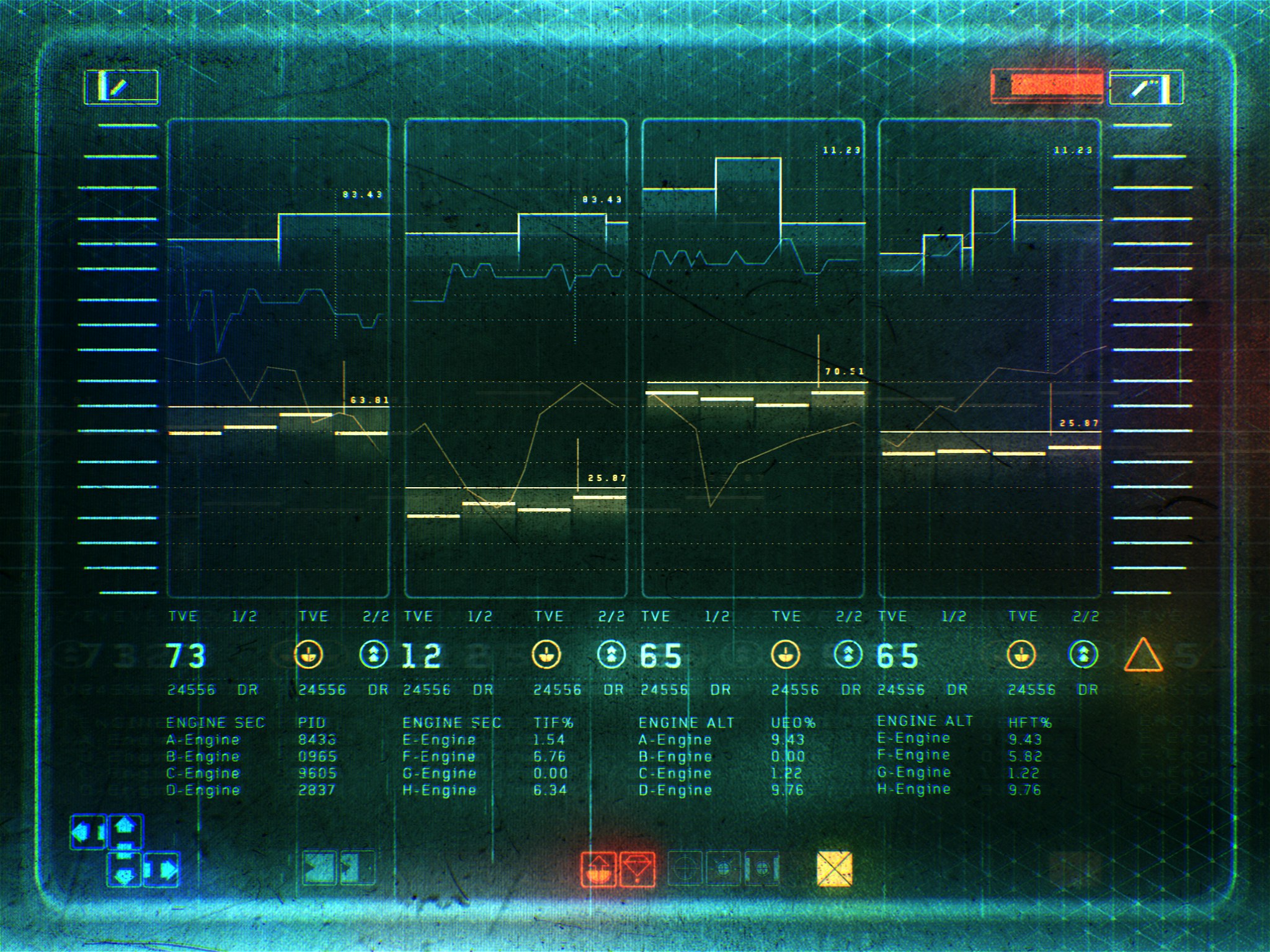
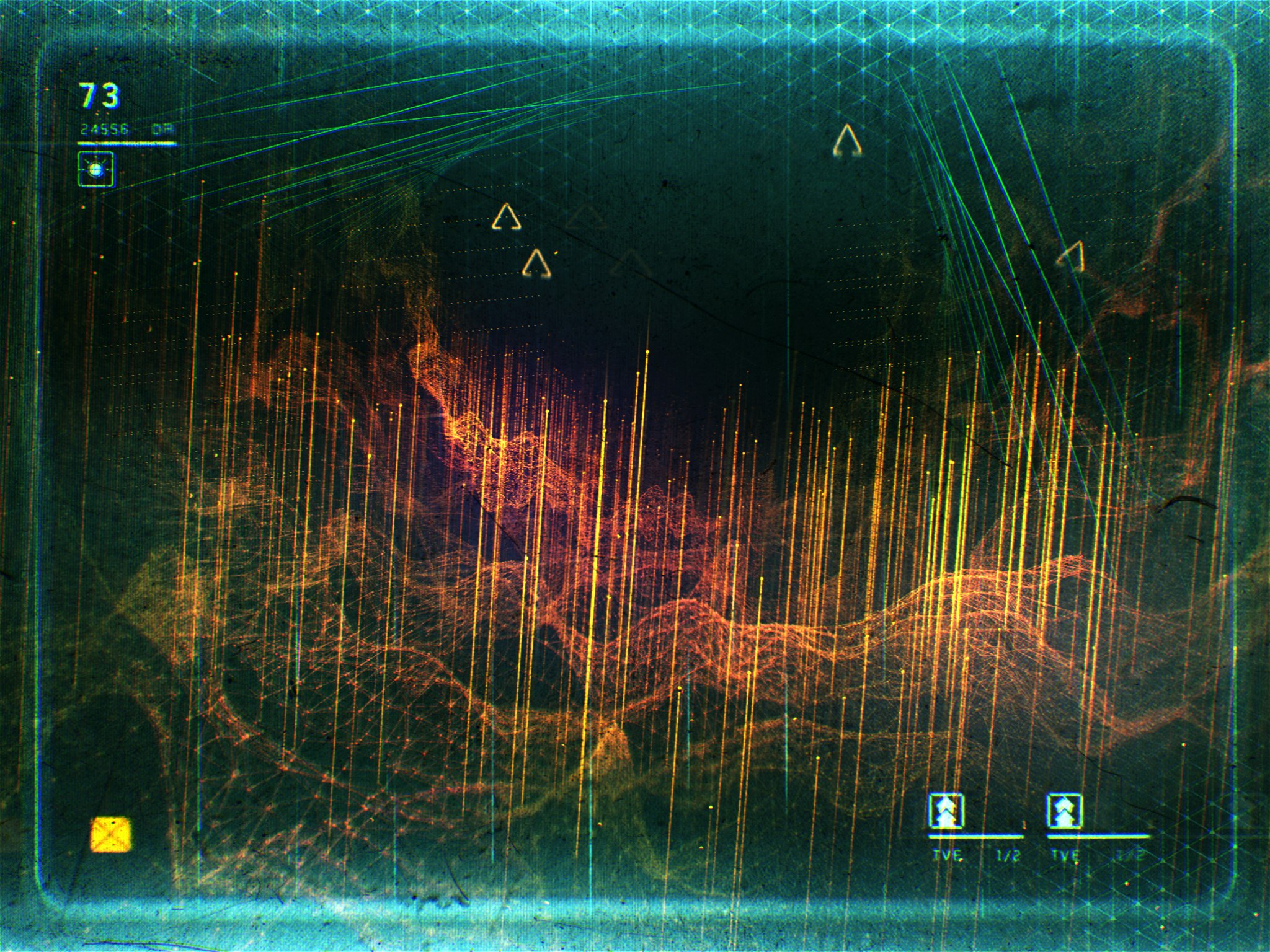
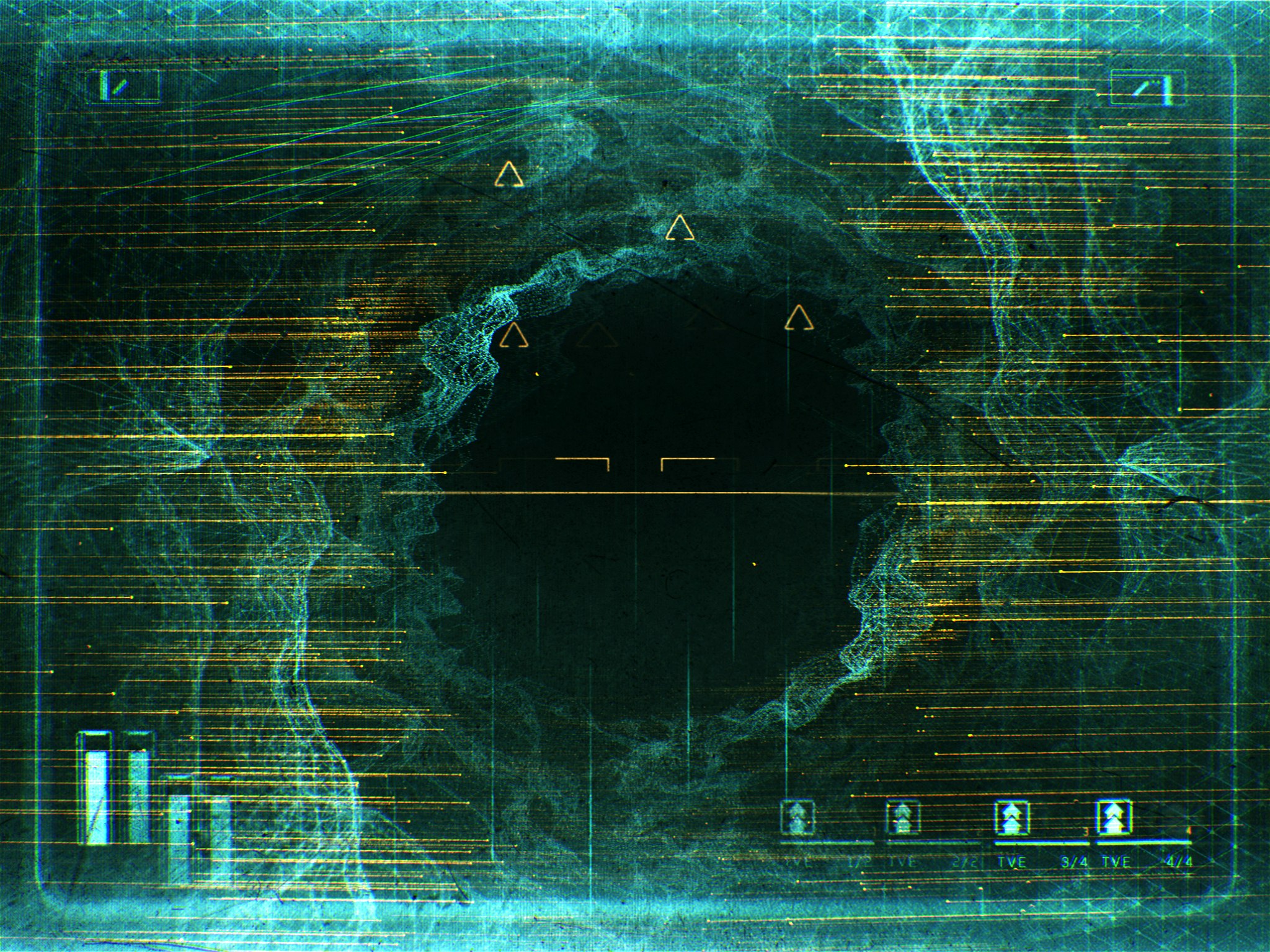
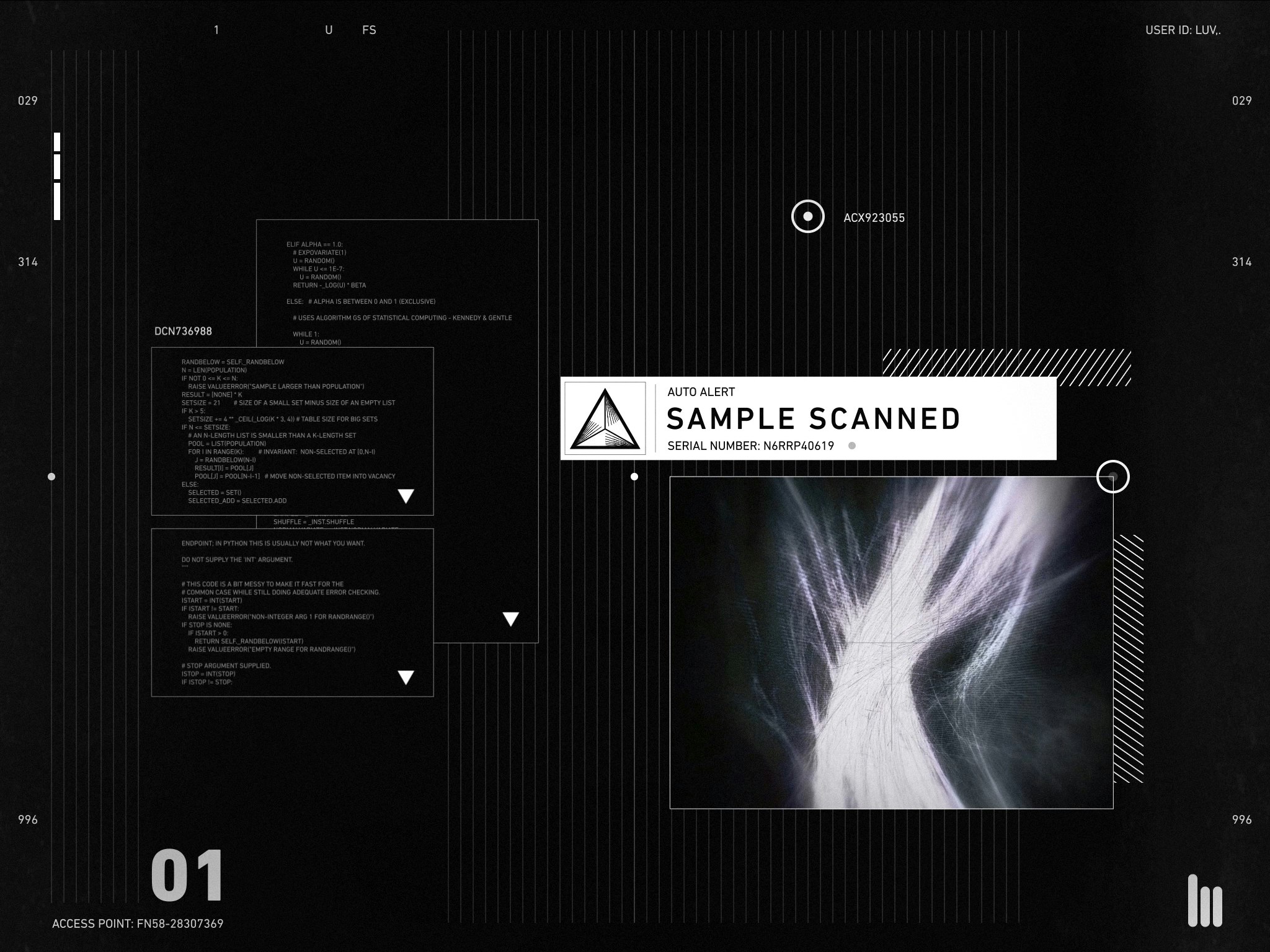
Denis Villeneuve joined early. The brief was unusually open, not a specification of what screens should look like, but an invitation to help reimagine and define what technology should feel like in this world. Blade Runner 2049 is set thirty years after the original Los Angeles. The world had survived a blackout event that destroyed digital records and reset civilisation's relationship with technology. Whatever screens, interfaces and systems existed in this world had to carry the weight of that history, the sense that digital certainty had been replaced by something more fragile, more physical, more human.
THE UNCONVENTIONAL DECISION
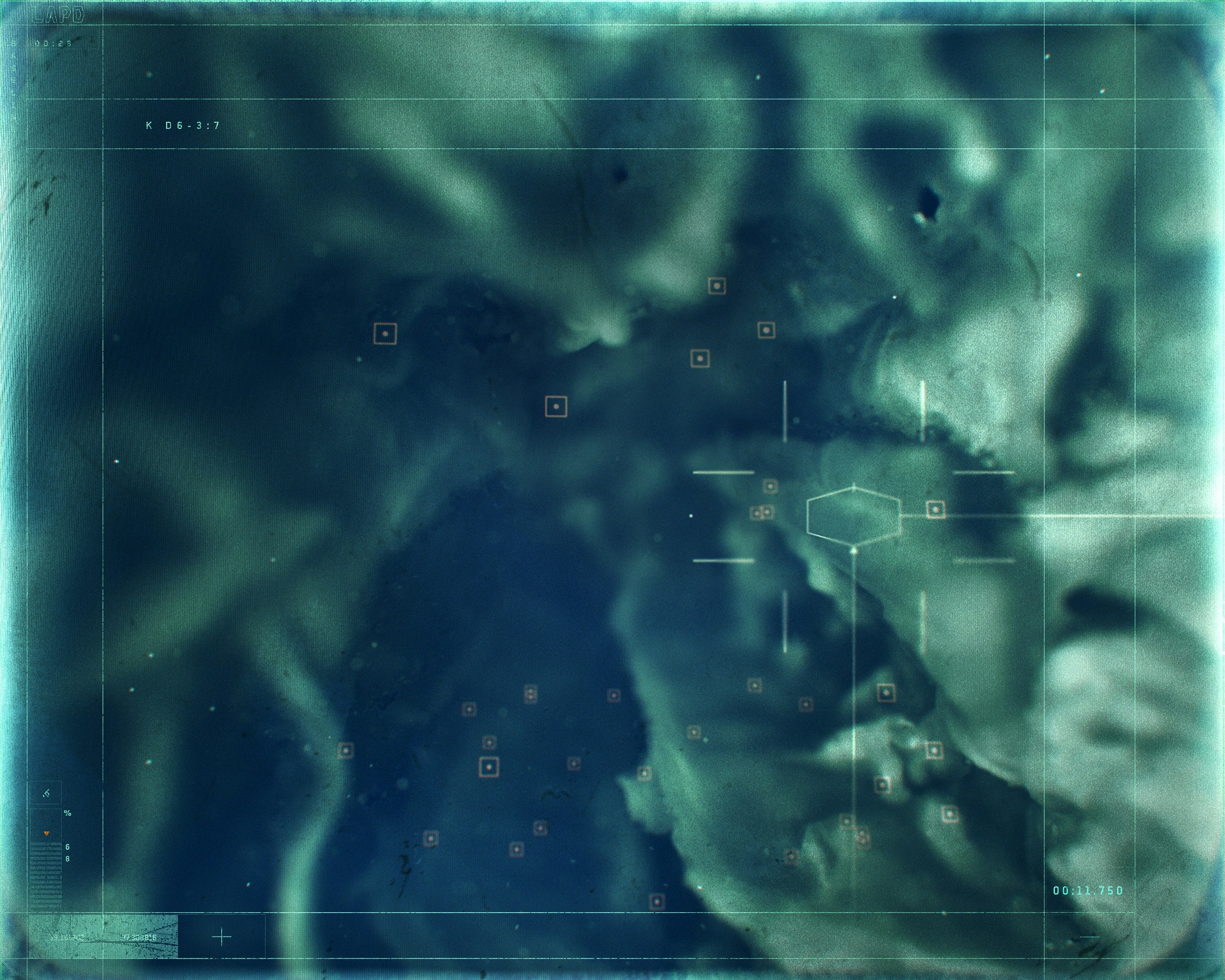
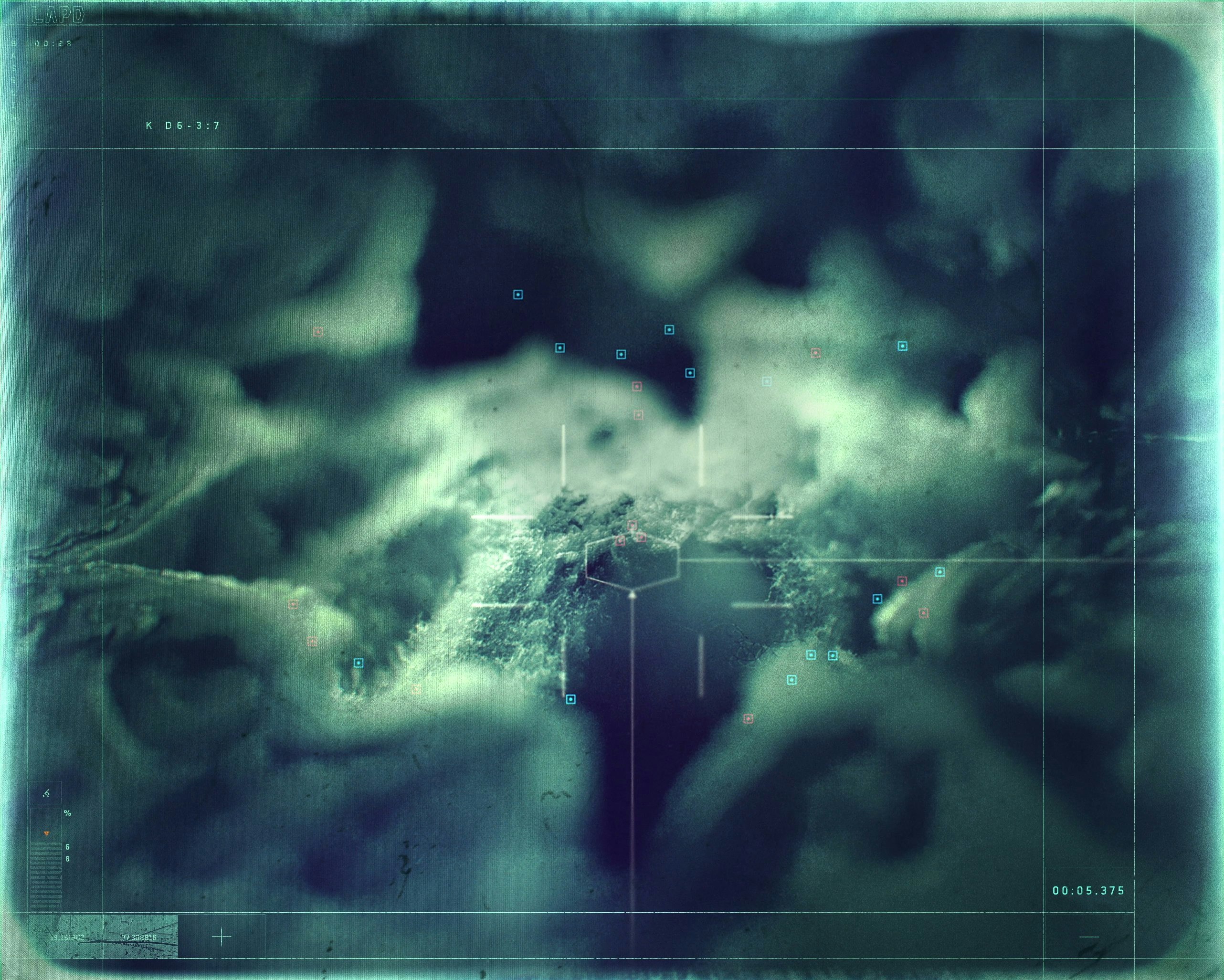
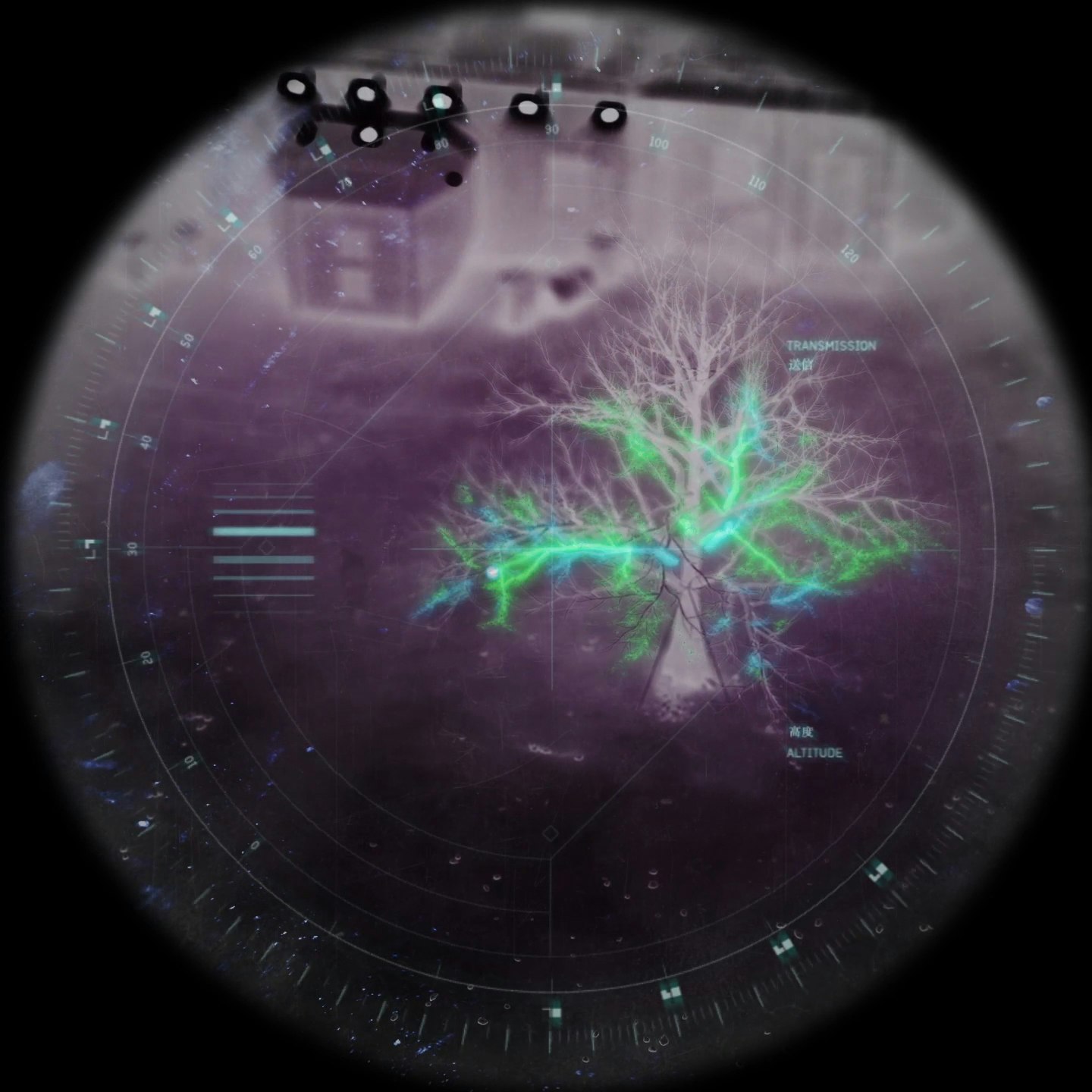
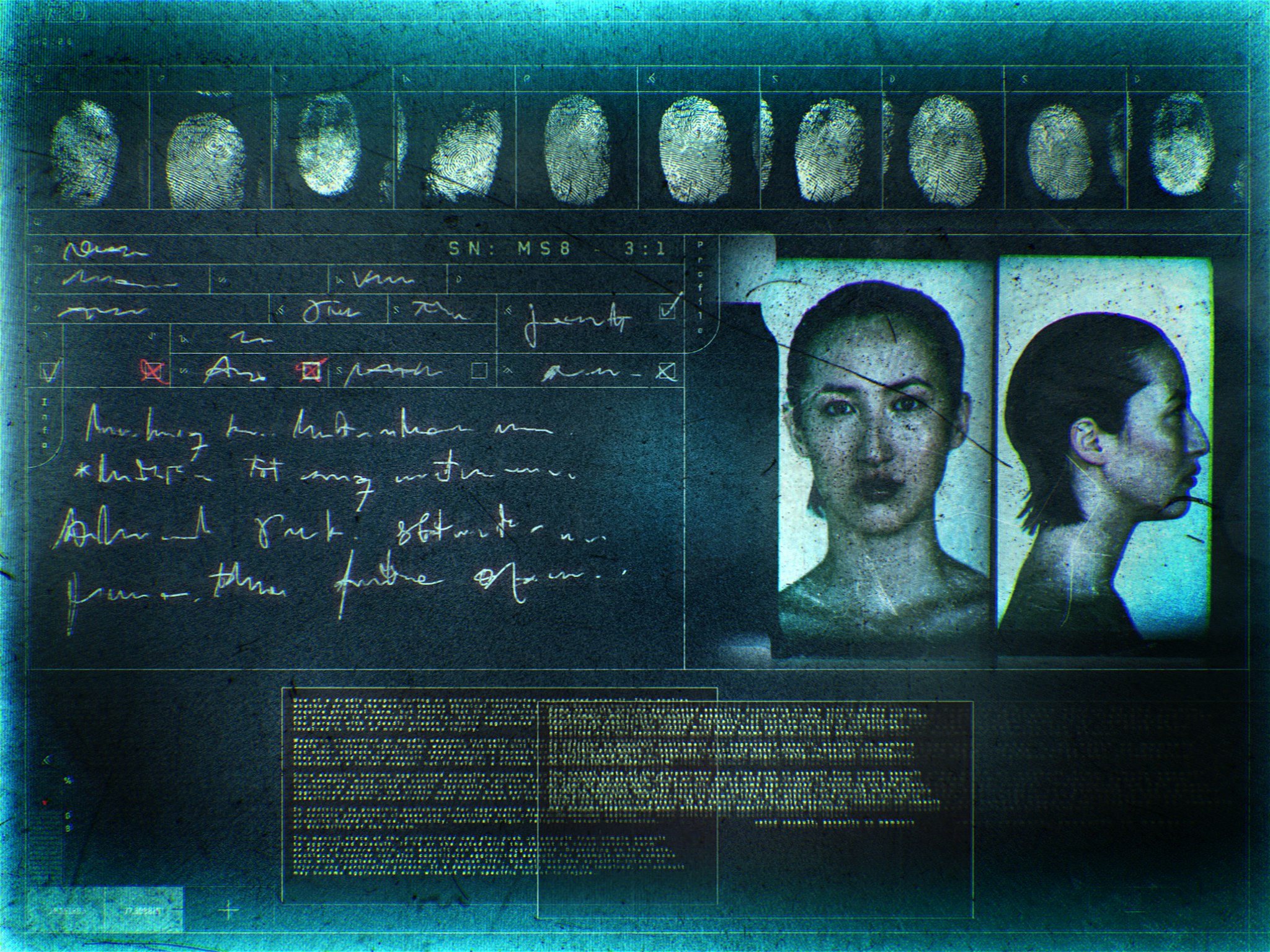
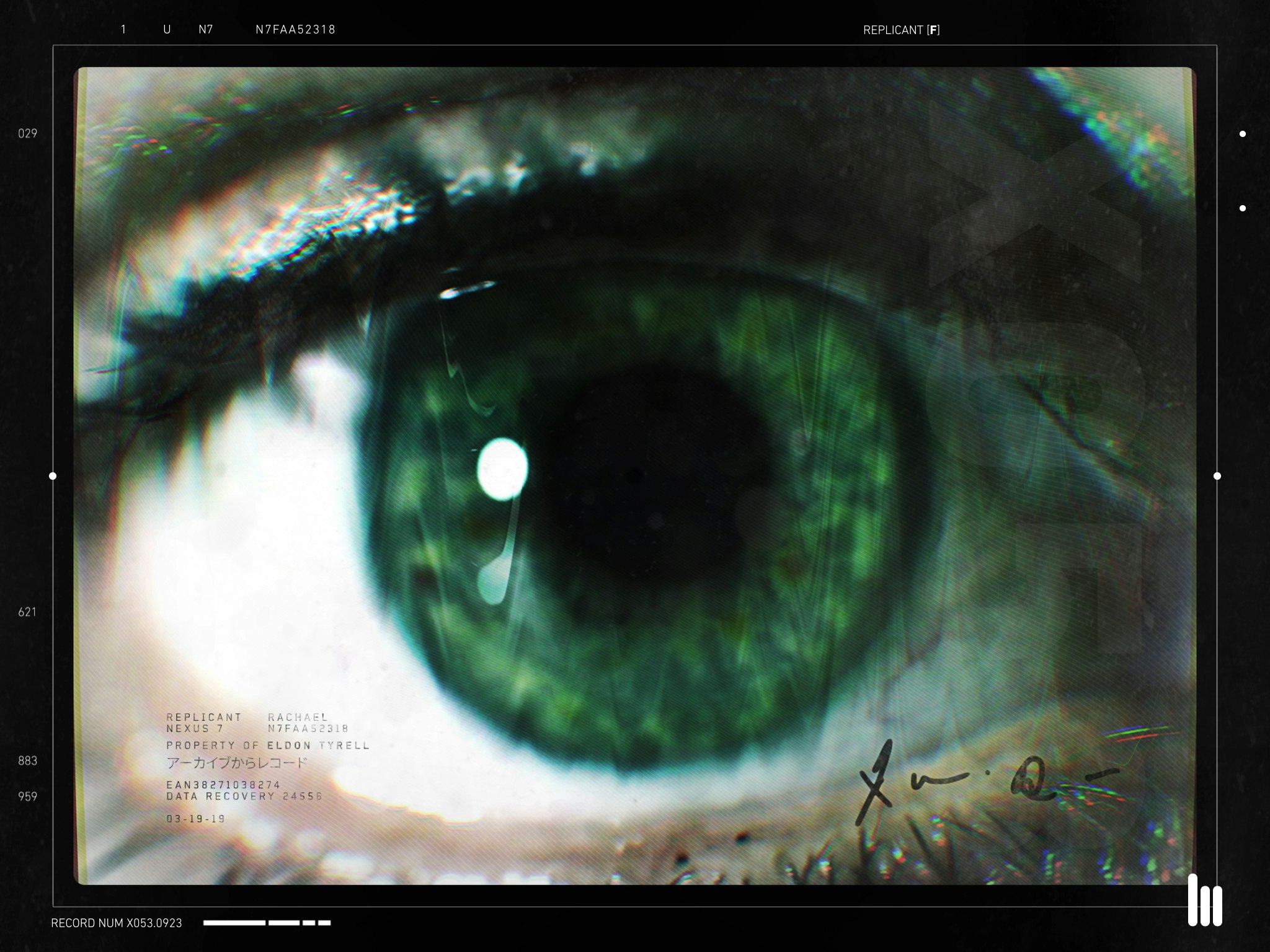
The conventional would approached this brief digitally, building intricate UI systems in After Effects and Cinema 4D, polishing every pixel to cinematic precision. Territory went the other way entirely. The team set aside typical digital workflows and turned to the physical world as raw material. Organic matter — grapes, fruit, human tissue — was photographed under macro lenses and scanned using photogrammetry, creating textures of uncanny biological complexity for the film's neural scan sequences. Old cine projectors, optical lenses, mechanical watch components and analogue instrumentation were referenced and integrated, giving the technology a physical, crafted quality that no software could generate.
The underlying conviction was simple and uncompromising: the audience would feel the difference before they could articulate it. Technology that looked right but was generated purely digitally would register as polished and empty. Technology with genuine physical and organic reference, with the imperfections and complexity that only the real world provides, would feel true.
You can have the best graphics in the world, but if they don't have an emotional and physical truth to them, the audience won't believe in it. — Andrew Popplestone |
THE OUTCOME
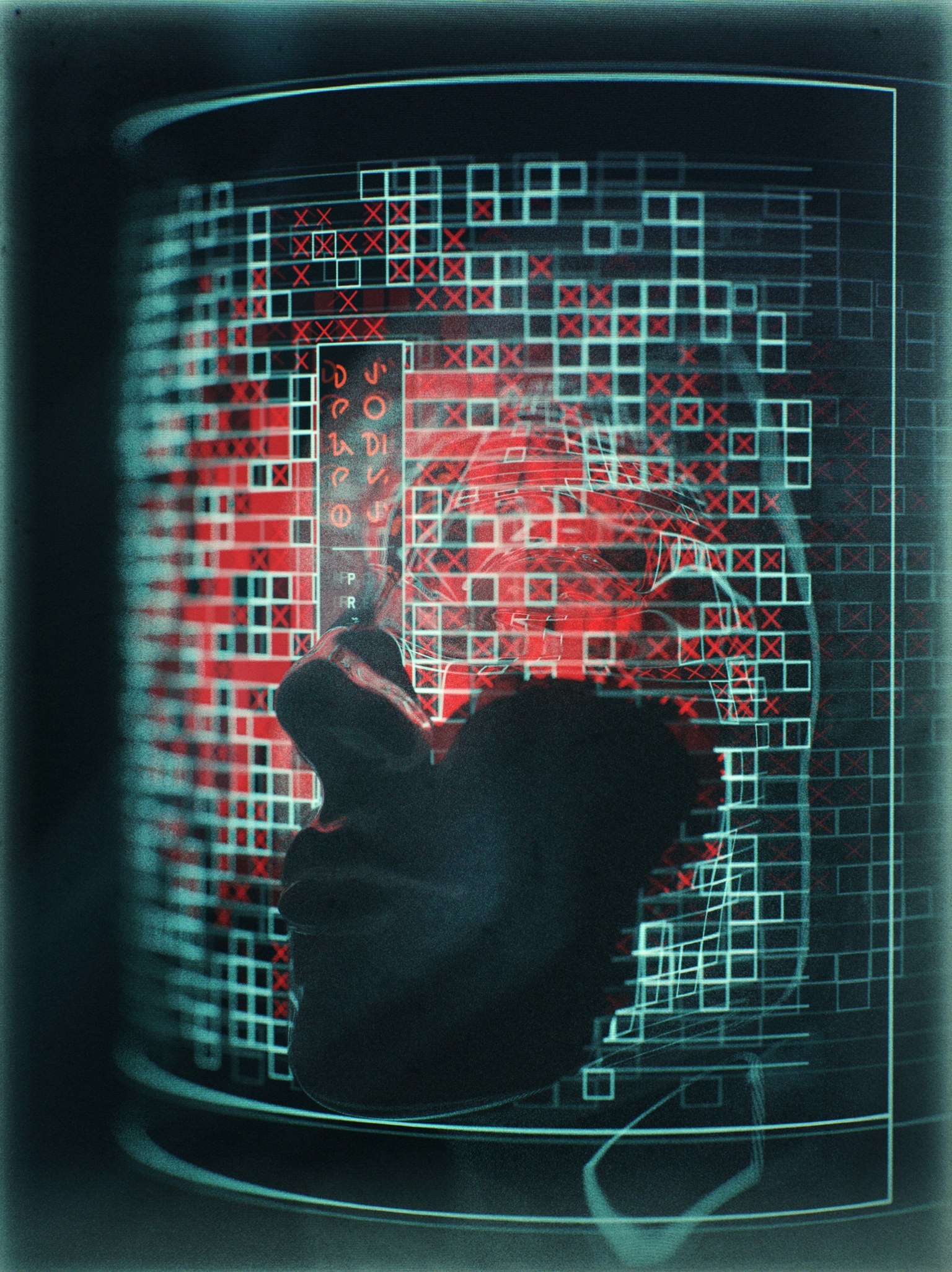
The work on Blade Runner 2049 is now widely cited as a defining example of screen graphics at the service of storytelling rather than spectacle. The film's visual language, including the UI, environmental screens and scanning sequences, contributed to the Academy Award win for Best Visual Effects at the 2025 ceremony. More significantly, the approach established a methodology that has defined the studio's practice across subsequent productions: begin with the world's physical reality, not the design brief; let the emotional truth of the environment dictate the aesthetic; use digital tools in service of something human, not instead of it.
The project established Territory's relationship with Denis Villeneuve, which continued through Dune: Part 1, Dune: Part 2, and Dune: Part 3 — a sustained creative partnership built on the mutual conviction that world-building begins with feeling, not appearance.
Director Denis Villeneuve · Production Designer Dennis Gassner · Creative Director Andrew Popplestone · Studio Territory Studio · Client Alcon Entertainment / Warner Bros. Pictures